
When Do Huskies Stop Growing? The Best Answer for Pet Owner
Compared to other working dogs, Huskies are more intelligent, energetic, and sensitive. They are best known for their running capabilities. Even if you don’t train them, their skill in running will pop out naturally.
Just like other animals, Huskies undergo distinct developmental stages. The growth is usually remarkable in the early weeks after birth. Among other dog breeds, Huskies grow and develop much longer. This article will answer the question “When do Huskies stop growing?”
History of Siberian Huskies
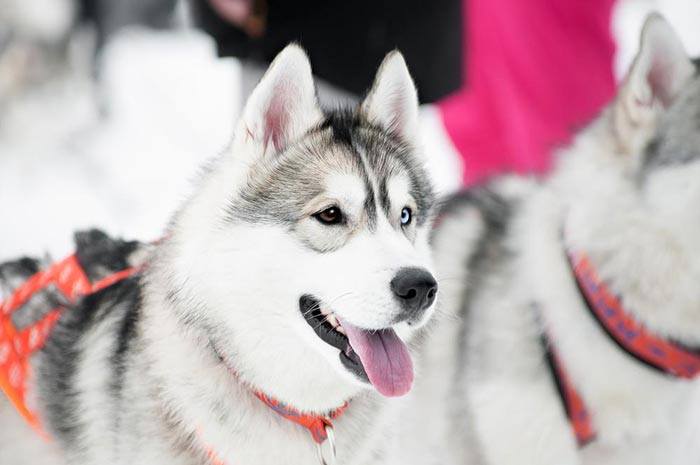
Centuries ago, the Chukchi tribe living off the Siberian peninsula used the Siberian Huskies not only as watchdogs but also to pull sleds and drive herds of reindeer. Their heavy fur makes them the perfect working dogs for the harsh Siberian conditions.
Because of the great speed of Siberian Huskies, fur traders in Malamute brought them to Alaska to join in Arctic races. In 1908, a 408-mile long journey over snow was made by mushers for the 1st All-Alaskan Sweepstakes. In 1925, there was a diphtheria epidemic in Nome, Alaska, and Siberian Huskies were utilized for the speedy delivery of much-needed medicine to the affected citizenry. The American Kennel Club (AKC) recognized the Siberian Husky in 1930.
Characteristics of Siberian Huskies
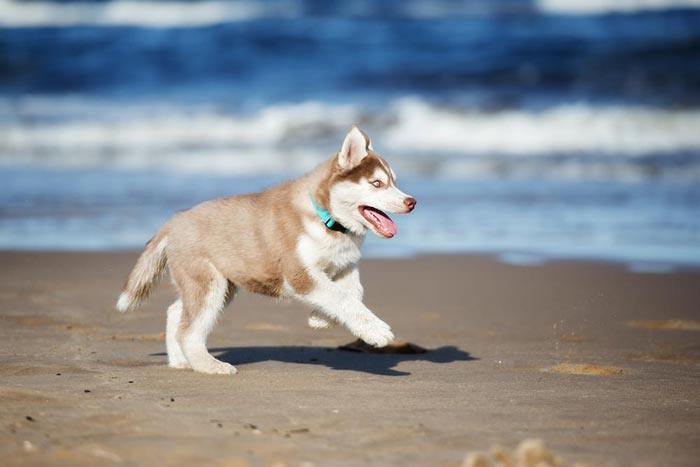
Siberian Huskies are loving, beautiful and are considered to be wonderful family pets. They enjoy socializing, love to live in groups, and want to join in the family fun. They appreciate rewards like extra scoops of kibble and daily stroll in the park. As working sled dogs, Huskies are strong and energetic.
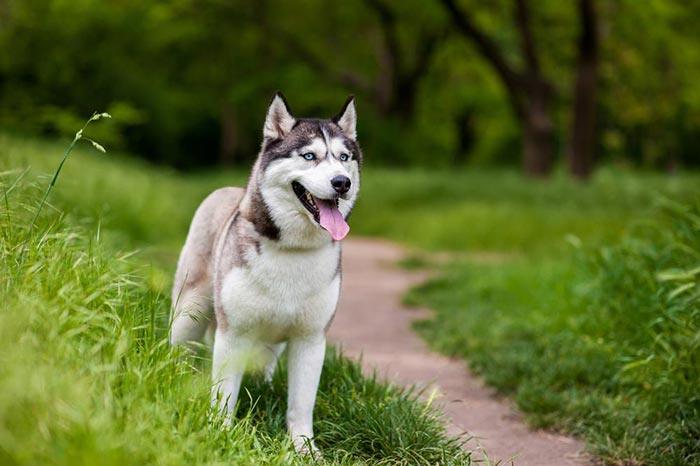
The oval-shaped eyes are colored blue, brown, amber, or a combination of the three. The color of the eyes can be half blue or half brown, or a Siberian Husky can have one blue eye and one brown eye. Their “snowshoe” feet help to keep them warm and enable them to grip on ice. The Huskies have thick, medium-length double coat, allowing them to withstand temperatures as low as -58°F to -76°F (-50°C to -60°C). Coat colors range from black to pure white, with or without markings on the head.
Newborn Huskies
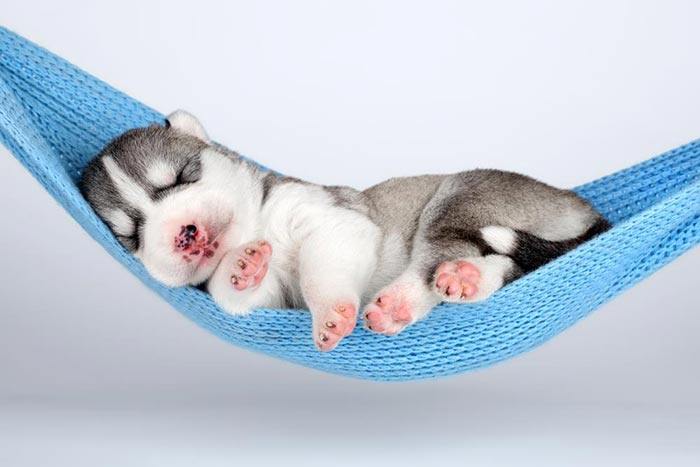
The puppies are born with their eyes shut, so they use their sense of smell in locating their mother, fumbling around to reach her. In about 2 to 4 weeks, their eyes open, allowing them to be more mobile.
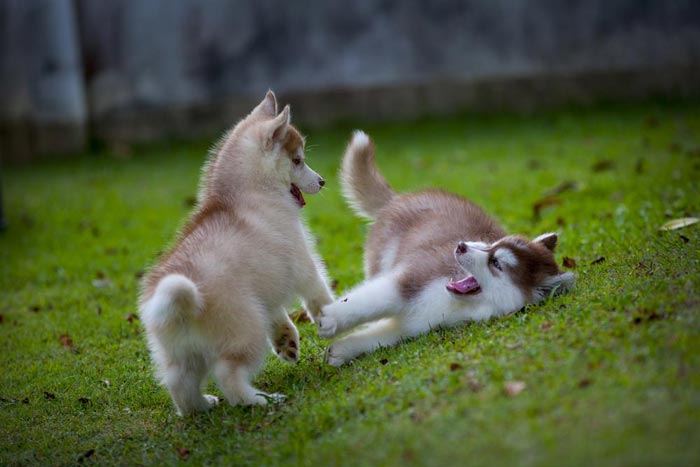
Some puppies now start to bark, whine, and develop more appetite than before. They now play with their littermates, which enable them to develop social skills which are essential for large, intelligent dogs like Huskies. Although mother Huskies wean their pups between 4 and 7 weeks, puppies are not taken away until they’re at least eight weeks old.
Socialization Period
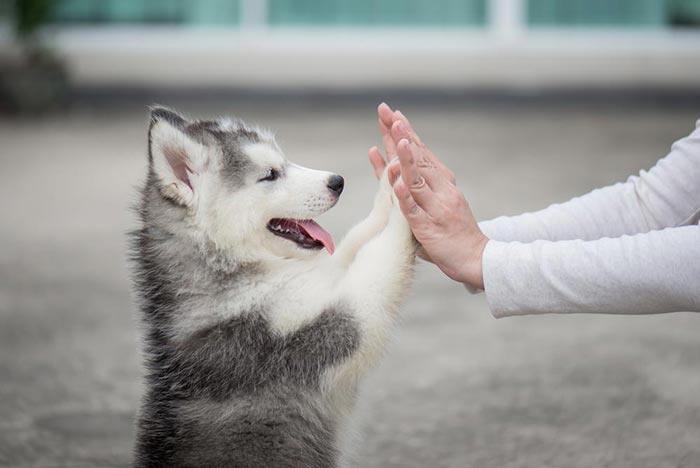
The socialization period starts when Huskies become 8-20 weeks old. They are now exposed to new sounds, people, animals, and unfamiliar settings. They may become fearful in some instances. Do not pet or pick up your scared puppy. Instead, reward them by giving treats when they display bravery or show social ability. As early as possible, fear in Huskies should be addressed because it can lead to aggression later in adulthood.
Late Puppyhood
Between 3 and 6 months, puppies lose their small razor sharp teeth. However, they may continue their teething behavior for a few weeks even if they already have their permanent teeth. Just like other pets, Huskies should be trained to urinate and defecate outside the house. Rewarding the Huskies for good behavior may hasten the training period. Rewards may be in the form of treats, loving caresses, stroll in the park, playful movements, or other tricks that may be enjoyable to them.
Time spent in training the Huskies in their puppyhood will be rewarding since their adult personality will be established at this stage. Growing puppies need lots of exercises. So, it is mandatory that they are taken out for a brisk walk or fun run every day.
When Do Huskies Stop Growing?
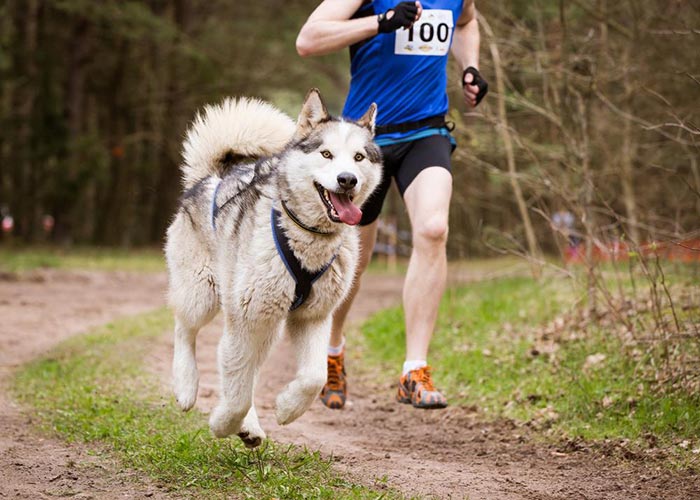
Siberian Huskies typically reach full size at 18 months of age and continue to fill out until they are 2 years old. Pet owners claim they don’t notice any significant growth after that period. There may be some filling out, but it is no longer noticeable.
Usually, the puppy reaches adult height upon reaching one year old. Up to the second year, Huskies continue to fill out. Some male Huskies take as long as three years to reach full size. Adult males can weigh anywhere from 45-60 pounds, while females can weigh from 35-50 pounds.
Emotional and mental maturity will be reached at the age of 2. The adult personality has developed but still can be improved by training. If by experience the Husky has gotten too big or is still growing after two years, it is okay as long as the dog is healthy.
Factors that can Affect a Husky's Growth
1. Dog Food
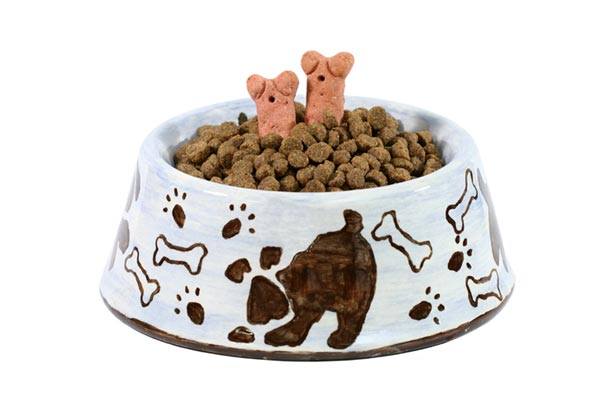
Feeding your Husky with the right kind of food will help ensure that it grows at the proper rate. A dog needs protein, vitamins, and minerals. Choose a dog food that has meat, poultry, or fish as the primary ingredient. Puppies need twice the nutrition when compared to older dogs.
2. Disease
A disease can affect the growth of a Siberian Husky puppy. It can disrupt the normal growth of your pet, especially if the illness is prolonged. Consult a veterinarian immediately if you notice something different with your puppy.
3. Your Husky Breed
If you notice that your Husky is growing too big, one possible reason is that it may be an Alaskan Malamute or a mixed breed dog. Although they may look similar in appearance, Malamutes are larger and heavier than Siberian Huskies.
Things to Consider for Your Growing Husky
- Siberian Huskies are active dogs and are best suited for a home with a large yard so they can move around. The yard should have a high fence. Make sure that the fence is enclosed because they can dig their way out and escape. This particular dog breed prefers to live in packs.
- Huskies need regular exercise to keep them physically fit. However, they should not be exercised too much in hot weather. Huskies prefer cool climates because of their thick coats. During summer, it would be better if you have air conditioning in your home to keep them at a comfortable temperature.
Conclusion
When do Huskies stop growing? Siberian Huskies typically grow up to 1 1/2 years of age and continue to fill out up to 2 years. Pet owners claim they don’t notice any significant growth after that period. There may be some filling out, but it is no longer noticeable.
Any stories to share about your Husky? Post your comments below.
